
English 
Landline:
+86-571-8233-3525
Telephone:
Telephone:
+86-150-6710-5089
+86-138-6743-1140
Address:
Building 41 workshop, No.17, Xueyuan road, Jiyang street, Zhuji city, Zhejiang Province, China


Views: 0 Author: Site Editor Publish Time: 2026-07-17 Origin: Site


High-end optics represent a significant investment, yet they are frequently degraded by improper, rushed cleaning methods. Multi-coated camera lenses, prescription eyewear, and premium sunglasses require a systematic maintenance approach to preserve their optical clarity. While convenient, using a wet wipe incorrectly traps abrasive particulate matter against the glass or plastic surface. This fundamental error leads to irreversible micro-scratches, stripped anti-reflective (AR) coatings, and permanent optical haze that ruins image quality and visual acuity.
Safe optical maintenance demands more than just scrubbing a lens with the nearest available cloth. You must understand the interaction between the wipe substrate, the chemical cleaning solution, and the specific lens coating you are treating. This guide provides an evidence-based framework for evaluating wipe composition, preparing the lens surface to mitigate friction, and executing a streak-free, damage-free cleaning protocol in the field.
Pre-Cleaning is Non-Negotiable: Never apply a wet wipe directly to a lens without first dislodging loose debris, sand, or grit using air or a specialized brush.
Chemical Compatibility Matters: Not all wipes are universal; alcohol-based formulas are generally safe for glass camera lenses but can degrade certain plastics, LCD screens, or low-quality AR coatings.
Technique Dictates Outcome: Employing a strict center-to-edge circular motion prevents the redistribution of oils and dirt across the optical center.
Single-Use Strictness: Reusing a partially dried wet wipe drastically increases friction and the risk of abrasive surface damage.
Air-Drying is Safer Than Dry-Buffing: Avoid using secondary dry cloths to buff wet residue, as this introduces unnecessary friction; let the optical-grade formula air-dry naturally.
Understanding what separates a high-quality optical wipe from a generic household alternative prevents catastrophic damage to expensive gear. Generic wipes often rely on harsh industrial solvents and utilize wood-pulp fibers. These rough materials act like fine sandpaper on delicate optical coatings. A dedicated optical wipe utilizes highly refined chemicals and specialized substrates engineered specifically for fragile surfaces. Success in optical maintenance depends entirely on choosing the correct formulation for your specific equipment.
Isopropyl alcohol plays a precise, functional role in optical maintenance. Manufacturers typically formulate their solutions with concentrations of 70% or lower. This specific ratio effectively dissolves heavy skin oils, sunscreen, and environmental grease. More importantly, it evaporates rapidly. Fast evaporation prevents streaks when using Camera Lens Cleaning Wipes on large front elements. The alcohol breaks down stubborn grease without leaving a heavy, cloudy residue behind that would require secondary buffing.
However, alcohol-free surfactant-based wipes are mandatory in several specific scenarios. You must use them on sensitive polycarbonate lenses, which can craze or crack under chemical stress. Polarized sunglasses also require alcohol-free care to protect the delicate polarizing film. Specialized optical plastics found in vintage lenses or modern VR headsets degrade rapidly under harsh solvents. Always verify the chemical compatibility before applying any pre-moistened tissue to an expensive surface.
The physical substrate material matters just as much as the chemical solution it carries. High-end wipes use aerospace-grade tissue or synthetic micro-fine fibers. Standard paper towels and cheap wipes use rough wood pulp. Wood pulp contains microscopic rigid structures that score anti-reflective coatings. You must avoid paper-based products entirely when dealing with precision optics.
Lint-free, non-abrasive micro-fine tissue prevents microscopic surface scoring. The fibers are engineered to hold the cleaning solution efficiently while trapping dissolved oils and lifting contaminants away from the glass. A properly engineered substrate glides over the lens, minimizing friction and protecting the fragile nano-coatings applied to modern photographic and ophthalmic optics.
Leading optics manufacturers formulate their wipes with extreme precision. They utilize specific fast-evaporating solvents and test these formulas extensively against proprietary lens coatings. This rigorous testing ensures long-term safety and prevents chemical degradation over years of use. Brand-name wipes maintain strict quality control over moisture levels, guaranteeing purity in their chemical mixtures and preventing cross-contamination during manufacturing.
Unbranded, cheap bulk wipes pose severe risks to your equipment. They frequently contain trace impurities and suffer from excess water content. High water content causes severe streaking, forcing the user to wipe harder and longer, which increases friction. Some cheap wipes even use aggressive industrial solvents to cut costs. These harsh chemicals strip anti-reflective layers quickly, turning a cheap cleaning supply into a massive liability.
Chemical and Material Comparison of Wipe Types | ||||
Wipe Category | Substrate Material | Primary Solvent | Evaporation Rate | Primary Use Case |
|---|---|---|---|---|
Premium Optical Wipe | Aerospace-grade tissue | Isopropyl Alcohol (≤70%) | Very Fast | Multi-coated camera lenses, glass optics |
Surfactant Wipe | Micro-fine synthetic | Distilled Water & Mild Detergent | Slow (Requires air dry) | Polycarbonate, VR lenses, polarized sunglasses |
Generic Household Wipe | Wood-pulp blend | Harsh industrial solvents / Bleach | Variable | Countertops (NEVER use on optics) |
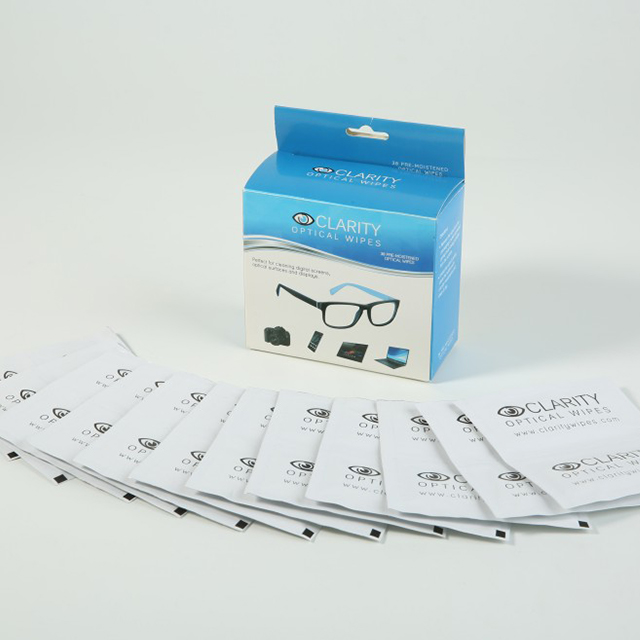
The wipe itself rarely scratches the lens. The clinical reality of optical damage is much simpler: silica dust, grit, and salt crystals cause the irreversible scratching. When you drag these hard environmental particles across the glass with a wipe, they carve microscopic trenches into the coating. Pre-cleaning mitigates this primary risk and is the most critical step in the entire maintenance process.
You must use a rocket blower before any wet contact occurs. A clean, static-free camel-hair brush also works well for stubborn dust. These tools dislodge loose debris safely without applying pressure to the glass. Hold the lens facing downward and blow air upward into the glass. Gravity helps pull the dislodged particles away from the surface, preventing them from settling back onto the element.
Sometimes a lens is too heavily soiled for a wipe. If you encounter thick mud, heavy salt spray from a marine environment, or thick sand, stop immediately. A wipe will only grind this heavy debris into the glass. Heavy soiling requires a full fluid flush. Rinse the sealed lens under a gentle stream of distilled water first to wash away the abrasive layers. Only use a wipe after removing the heavy particulate matter.
Friction destroys optical coatings. Moisture acts as a crucial lubricant during the cleaning process. Attempting to use a wipe that has prematurely dried out guarantees surface degradation. The dry fibers catch on microscopic imperfections and pull at the anti-reflective layers, eventually causing them to flake or haze.
Never force a dry wipe across a lens. If the foil packet feels dry upon opening, or if the wipe dries out halfway through the cleaning process, discard it immediately. The cost of a wasted wipe is negligible compared to the cost of replacing a scratched front element. Always ensure adequate moisture is present before making contact with the glass.
Proper execution requires a strict, repeatable protocol. Random scrubbing ruins lenses and pushes dirt into the edges of the housing. You must follow a systematic approach to achieve streak-free results. This method protects your gear, maximizes the effectiveness of the cleaning solution, and ensures consistent optical clarity.
Wash your hands thoroughly before touching any optical equipment. Use a grease-cutting, fragrance-free soap. Human skin produces heavy sebum and oils. If you touch the wipe with greasy fingers, the wipe absorbs those oils immediately. You will then smear your own skin oils directly onto the lens, defeating the purpose of cleaning it.
Clean hands ensure the wipe remains sterile. Dry your hands completely with a lint-free towel before opening the packet. Any residual water on your fingers will dilute the isopropyl alcohol in the wipe. Diluted alcohol leads to extended drying times, heavy streaking, and poor grease-cutting performance.
Tear open the foil packet carefully along the designated notch.
Extract the wipe by pinching only the very edges; do not touch the center of the tissue.
Unfold the wipe completely to expose the maximum active cleaning surface.
Keep the wipe flat and smooth to prevent bunching, which can cause uneven pressure.
Lightly dab the lens surface first without applying any wiping pressure.
This initial dabbing motion lifts any remaining stubborn dust particles that the blower missed. It also allows the alcohol to begin breaking down hardened grease spots or dried water droplets. This gentle initial contact prepares the surface for the main cleaning motion without dragging dry dirt across the glass.
Mechanical motion dictates the final result. Start at the exact optical center of the lens. Move in a continuous, spiraling circle outward toward the edges. Apply very light, even pressure. Let the chemical solution do the work of dissolving the grease; do not try to scrub it away with physical force.
This specific spiraling motion pushes residual contaminants outward. It moves dirt and dissolved oils to the outer housing, keeping the critical viewing area perfectly clear. Never wipe side-to-side, and never wipe in random zig-zags. Random motions simply smear oils directly across the center of the glass, creating a hazy film that ruins contrast.
You have a limited active window when working with alcohol-based solutions. Isopropyl alcohol evaporates quickly, especially in warm or dry environments. You must complete the cleaning pass before the wipe dries. Work efficiently but carefully. Once the wipe feels dry to the touch, stop wiping immediately to prevent friction damage.
Use the remaining moisture on the wipe to clean the lens barrel, camera body, frames, temples, or nose pads. Do this only after finishing the optical glass. Cleaning the frame first transfers heavy skin grease and sweat to the wipe. You would then redeposit that heavy grease directly onto the sensitive lens element.
Let the fast-evaporating formula flash off naturally. Do not buff it dry with a t-shirt, and do not use a non-sterile cloth to speed up the process. Natural air-drying prevents unnecessary friction and ensures a pristine, streak-free finish. If streaks remain, it means the lens was too dirty for a single pass, and you should repeat the process with a fresh wipe.
Different surfaces require different chemical approaches. You cannot treat a plastic VR lens the same way you treat a weather-sealed, multi-coated camera lens. Understanding material science prevents costly mistakes in the field. Always match the cleaning product to the specific surface requirements of your gear.
Modern camera lenses feature advanced, highly durable coatings. They utilize fluorine, hydrophobic, and nano-coatings designed to repel water and oil naturally. High-quality pre-moistened wipes are generally safe for these robust surfaces. The wipe simply lifts the loosened grease away from the repellent coating.
You must understand cross-compatibility when sourcing supplies. Spectacle wipes often work on camera lenses in a pinch. However, some spectacle wipes contain anti-fog additives designed for wearing masks. These additives leave a hazy, permanent film on camera lenses that ruins image contrast. Always check the ingredient list and stick to pure alcohol and distilled water formulations for photographic equipment.
Maintain strict separation between front-element cleaning and internal sensor cleaning. Standard lens wipes are strictly for exterior glass elements. Never use a standard wipe on a camera sensor. Sensors require dedicated, lint-free synthetic swabs and specialized eclipse fluids designed specifically for the extreme sensitivity of digital sensors.
Prescription lenses use entirely different materials than camera optics. Polycarbonate lenses are significantly softer than traditional optical glass and scratch much easier. You must use extreme caution and ensure your wipes are explicitly rated safe for polycarbonate materials.
Performance sunglasses feature delicate polarized layers and fragile mirrored coatings. Harsh alcohol can degrade these layers over time, causing the mirror finish to pit or flake. For high-end sunglasses, consider using a specialized Pre-moistened Sunglasses Headphone Cleaning Wet Tissue. These specific formulations protect mirrored finishes while effectively removing heavy sweat, salt, and sunscreen.
Pre-moistened tissues offer excellent crossover utility for field technicians and daily users. You can maintain daily-carry tech easily. They clean smartphone screens effectively, sanitize smartwatches, and remove earwax and oils from headphone acoustic meshes without flooding the electronics with liquid.
VR headset lenses require special attention. They are often made of highly sensitive, uncoated plastics that require strictly alcohol-free variants. Alcohol will permanently cloud a VR lens, ruining the headset. Always read the manufacturer's maintenance guidelines before wiping any virtual reality equipment.
Certain surfaces are highly vulnerable to wipe chemicals and should never be cleaned with standard pre-moistened tissues. Never use standard wipes on laptop LCD screens or desktop monitors. The alcohol strips the anti-glare film immediately. Avoid uncoated soft plastics entirely. Never touch internal camera sensors with a standard wipe, and keep them far away from DSLR semi-reflective mirrors, which are incredibly fragile and easily misaligned by physical pressure.
Not all wipes perform equally in the field. You must evaluate the quality of your supplies regularly. Poor quality control leads to damaged gear and frustrating streaks. Learn to identify the signs of a failing product before it touches your expensive glass.
Evaluate a brand's quality control through its packaging. The foil packet must provide a perfect vapor barrier. If the packet feels flat, crinkly, or has a pinhole leak, the seal is broken and the wipe is useless. The wipe should retain optimal moisture upon opening. It should feel damp and cool to the touch, but not dripping wet.
Inconsistent moisture indicates poor manufacturing tolerances. If one wipe is bone dry and the next is soaked, switch brands immediately. Consistent moisture delivery is critical for safe optical maintenance, as too little moisture causes scratches and too much causes heavy streaking.
Some wipes leave frustrating streaks, which occur for several specific reasons. Excessive fluid on the wipe causes pooling. Expired chemicals separate inside the packet and leave a cloudy residue. Heavily soiled lenses overwhelm the wipe's capacity to lift oil, causing it to simply smear the grease around.
To resolve streaking, improve your pre-cleaning and use a two-pass system. If the lens is very greasy, use two wipes. Use the first wipe to break down the heavy oil and discard it. Use the second, fresh wipe to perform the final streak-free finish. Never press harder to remove a streak; always use a fresh wipe.
Eye care professionals often raise valid concerns about daily wipe use. They warn about cumulative micro-scratch risks over years of ownership. Even the best wipes introduce some friction. Daily wiping over several years can degrade optical clarity on soft prescription lenses.
Compare the convenience of disposable lens cleaning wet wipes against deep-cleaning methods. Clinics recommend washing heavily soiled lenses with warm water and mild, surfactant-free dish soap, followed by drying with a freshly washed microfiber cloth. This liquid wash method provides the safest deep clean for daily wear. However, wipes remain the absolute best solution for field work, travel convenience, and quick maintenance when a sink is unavailable.
Maintaining high-end optics requires discipline and the right materials. Pre-moistened wipes are highly effective tools when used correctly, but they demand strict adherence to pre-cleaning protocols and proper wiping mechanics. By understanding chemical compatibility and respecting the fragility of optical coatings, you can keep your gear in pristine condition for years.
Audit your current cleaning supplies and discard any expired, dried-out, or unbranded wipes immediately.
Purchase a dedicated rocket air blower and keep it in your camera bag or desk to ensure you always pre-clean before wiping.
Verify the chemical compatibility of your wipes against the manufacturer guidelines for your specific eyewear, VR headsets, or camera gear.
Implement the center-to-edge circular wiping technique on all your optics starting today to prevent oil smearing.
A: Yes. High-quality, alcohol-based wipes are generally safe for modern glass camera lenses. The alcohol dissolves oils quickly and evaporates without leaving residue. Always ensure the lens is free of abrasive dust before wiping.
A: Streaks occur when the lens is excessively greasy, the wipe has too much fluid, or the alcohol has evaporated prematurely. Using a second, fresh wipe usually resolves the issue by lifting the remaining diluted oils.
A: It is risky. Generic spectacle wipes may contain anti-fog additives or harsh industrial solvents that leave a hazy film or degrade delicate nano-coatings. Stick to dedicated photographic optical wipes.
A: High-quality optical wipes do not inherently damage AR coatings. Damage usually results from wiping over abrasive dust particles or using dry, rough wipes that create excessive friction on the coating.
A: No. Never reuse a lens wipe. Once used, the tissue traps microscopic dirt, sand, and oils. Re-moistening it will simply grind those trapped abrasives directly into your lens surface.
A: Usually no. VR lenses are typically made of soft, sensitive plastics that degrade or cloud when exposed to isopropyl alcohol. You must use strictly alcohol-free, surfactant-based wipes for VR equipment.
A: A lens wipe uses tissue and alcohol for exterior glass elements. A sensor swab uses lint-free synthetic fabric and highly refined eclipse fluid designed specifically for the extreme sensitivity of internal digital sensors.


