
English 
Landline:
+86-571-8233-3525
Telephone:
Telephone:
+86-150-6710-5089
+86-138-6743-1140
Address:
Building 41 workshop, No.17, Xueyuan road, Jiyang street, Zhuji city, Zhejiang Province, China


Views: 0 Author: Site Editor Publish Time: 2026-07-21 Origin: Site


Cleaning a camera lens or prescription glasses with the wrong material permanently degrades anti-reflective and oleophobic coatings. You face a constant dilemma. You must balance the immediate need for clarity—removing skin oils, dust, and moisture—with the long-term requirement of preserving glass surfaces without introducing micro-scratches. Every time you wipe a lens, you risk dragging abrasive particles across the surface. To mitigate this risk, the optical industry relies on two primary solutions: pre-moistened disposable wipes and reusable microfiber cloths. Understanding the material science, convenience factors, and coating safety of each method protects your gear. This comparative analysis breaks down exactly when, why, and how to use these tools for optimal optical maintenance.
Context Dictates the Tool: Microfiber cloths excel in lifting dry dust and absorbing dedicated cleaning fluids, while individually sealed lens cleaning wipes provide sterile, single-use convenience for dissolving heavy oils and field use.
Coating Vulnerability: Both solutions are safe for modern optics only if used correctly; dragging dry particulates across a lens with either a dry wipe or a dirty microfiber cloth is the primary cause of micro-abrasions.
The Hybrid Approach: Optimal optical maintenance often requires a two-step system: a blower/brush to remove loose grit, followed by a wet wipe for oils, and finished with a clean microfiber cloth to prevent streaks.
Material Quality Matters: Not all microfibers are equal (suede/flat weave vs. terry/nap), and not all wipes use safe solvents (isopropyl alcohol concentrations vary).
Optical maintenance requires a clear understanding of what you are actually removing from the glass. Contaminants do not behave the same way. We divide them into two distinct categories: particulate matter and organic or chemical matter. Treating them as the same thing guarantees damaged gear.
Particulate matter includes dust, silica sand, pollen, and environmental grit. These particles are physically hard. Silica registers higher on the Mohs scale of hardness than most optical glass. If you press a dry cloth over silica dust, you carve microscopic trenches into your lens. You cannot dissolve sand; you must physically displace it. Organic and chemical matter includes sebum (skin oils), dried water spots, and salt spray. These contaminants bond chemically or physically to the glass. They require a solvent to break down the lipid structures before you can lift them away.
Modern lenses feature complex, multi-layered coatings. Anti-reflective (AR) coatings reduce glare and improve light transmission. UV coatings block harmful spectrums. Oleophobic coatings repel fingerprints and moisture. These layers are incredibly thin—often measured in nanometers. They are highly susceptible to chemical stripping from harsh household cleaners and physical abrasion from rough materials.
To evaluate any cleaning method, we apply a strict framework based on four criteria. First, abrasion risk: does the material or method drag hard particles across the coating? Second, solvent compatibility: does the liquid safely dissolve oils without eating through the AR layer? Third, portability: can you deploy the solution effectively in the field? Finally, lifecycle economics: does the method offer sustainable value over months of daily use?
Optical Contaminant Classification and Removal Strategy | |||
Contaminant Type | Examples | Physical Property | Primary Removal Method |
|---|---|---|---|
Particulate | Silica sand, dust, pollen, metal shavings | Hard, abrasive, non-soluble | Forced air (blower), static brush |
Organic | Sebum (skin oils), fingerprints, eyelash oils | Lipid-based, smears easily | Solvent-based wipe or spray |
Chemical | Dried rain spots, salt spray, aerosol residue | Bonded to surface, crystalline | Solvent-based wipe, damp microfiber |
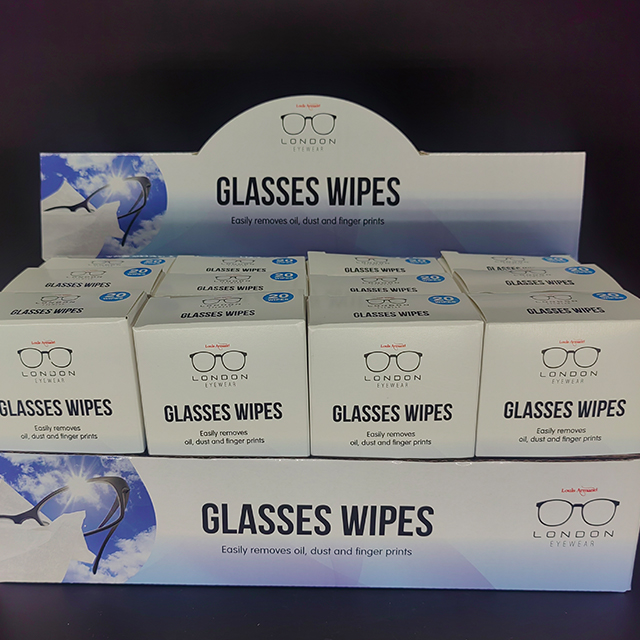
Pre-moistened lens cleaning wipes offer a highly engineered, single-use solution for optical maintenance. Their primary advantage lies in delivering a precisely measured dose of solvent on a sterile carrier material. You never have to guess if you applied too much liquid.
The efficacy of a disposable wipe depends entirely on its chemical payload. Standard formulations utilize a precise blend of highly purified distilled water and a volatile solvent, typically isopropyl alcohol (IPA) or ethanol. The alcohol acts as a surfactant. It breaks the surface tension of heavy skin oils, allowing the paper pulp to lift the grease away from the glass.
Alcohol-free variants use alternative, milder surfactants. These are exceptionally gentle on vintage coatings but often require more physical wiping to break down stubborn sebum. Alcohol-based options remain the industry standard because they dissolve lipids instantly without requiring heavy pressure.
Evaporation rate dictates wipe performance. Optical wipes must evaporate rapidly. If a solvent lingers on the surface, it risks seeping into the edges of eyeglass frames or migrating past the weather-sealing gaskets of a camera lens barrel. Rapid evaporation ensures the liquid does its job and vanishes before causing mechanical damage. In humid environments, you will notice the evaporation takes slightly longer, requiring a quick follow-up with a dry cloth to prevent streaking.
Manufacturers tailor wipe formulations for specific optical demands. Using camera lens cleaning wipes guarantees safety for multi-coated photographic glass. They utilize ultra-fine, lint-free paper pulp to ensure no fibers remain on the front element. The solvent ratios in these wipes are strictly controlled to guarantee a streak-free finish, which is non-negotiable for high-resolution imaging sensors.
Conversely, anti-fog lens wipes serve a dual purpose. They clean the lens while depositing a microscopic hydrophilic layer. This specialized coating forces condensing moisture to spread evenly across the glass rather than forming individual, vision-obscuring droplets. These are highly practical when transitioning between extreme temperature zones, such as moving from an air-conditioned room to humid outdoor photography, or when wearing a face mask with prescription glasses.
Disposable wipes offer distinct operational benefits and drawbacks, making them ideal for specific scenarios but less suited for others.
They guarantee sterility for every single use.
There is zero risk of cross-contamination from a previous cleaning session.
They are exceptionally portable, fitting flat into any pocket or camera bag.
The solvent measurement is exact, preventing accidental liquid damage.
They represent an ongoing consumable expense.
If the wipe dries out slightly before use, the friction increases, which can lead to streaking.
They generate environmental waste due to the foil packaging and single-use paper.
Microfiber is not simply a soft piece of fabric; it is a highly technical textile. Understanding how it interacts with microscopic debris is essential for safe optical maintenance. Using the wrong type of microfiber will ruin your glass just as quickly as a paper towel.
True optical microfiber consists of a synthetic blend, usually polyester and polyamide (nylon). The polyester provides the structural scrubbing power, while the polyamide provides absorption. During manufacturing, the fibers are split. This splitting process creates millions of microscopic crevices. Instead of pushing oils and dirt around the glass surface, the split fibers physically trap the contaminants and pull them away through capillary action.
The specific weave of the cloth dictates its appropriate use. Flat or suede weaves feature a smooth, tightly knit surface. They produce almost zero lint and have low moisture absorption. This makes the suede weave perfect for final polishing and everyday maintenance of clean glasses.
Terry or fuzzy weaves feature a distinct nap, resembling a miniature bath towel. These cloths excel at heavy moisture absorption. They are ideal for wiping down a wet camera body, drying a lens barrel after shooting in the rain, or cleaning thick plastic eyeglass frames. However, the deep nap poses a severe risk to delicate optical glass. The fuzzy loops easily trap abrasive silica particles. If you use a terry weave cloth on a lens, you risk dragging those hidden particles across the AR coating.
Using a microfiber cloth completely dry is only appropriate for removing light, dry smudges or a stray fingerprint. Dry wiping relies entirely on the mechanical friction of the cloth. If you press too hard, you risk scratching the surface.
For a heavily soiled lens, dry wiping is dangerous. Without a solvent to lubricate the surface and break down the oils, you force the cloth to grind the contaminants against the glass. Pairing a clean microfiber cloth with a dedicated optical cleaning spray provides the necessary lubrication. The liquid lifts the dirt, and the microfiber absorbs the suspended mess safely.
The greatest strength of microfiber—its ability to trap contaminants—is also its greatest weakness. Over time, reusable cloths accumulate skin oils, atmospheric grit, and microscopic sand.
This creates the contamination trap. A cloth that looks perfectly clean to the naked eye may actually be loaded with abrasive silica. Using a dirty cloth turns a gentle cleaning tool into sandpaper. To prevent this, strict washing protocols are mandatory. You must wash microfiber cloths using mild, scent-free detergent. Never use fabric softeners, as they coat the split fibers in lipids, destroying their capillary action. Always air dry the cloths to prevent heat damage to the synthetic fibers. If you dry them on high heat, the polyamide melts, turning the cloth into a rigid, scratchy hazard.
Choosing between these two methods requires evaluating how they perform under real-world conditions. We compare their physical safety, logistical convenience, and long-term value to determine the best fit for your workflow.
When evaluating physical abrasion, we look at the base materials. Disposable wipes utilize highly refined wood pulp or specialized synthetic paper. While engineered to be soft, paper fibers are inherently more rigid than synthetic microfiber threads. Therefore, a perfectly clean, freshly washed microfiber cloth is physically softer than a paper-based wipe.
Real-world conditions change this dynamic entirely. A microfiber cloth that has been sitting in the bottom of a backpack for three weeks is far more dangerous than a fresh wipe. A dirty cloth poses an extreme scratch risk. A sealed disposable wipe guarantees a sterile, grit-free surface every single time. For coating safety, a fresh wipe beats a dirty cloth, but a pristine cloth beats a wipe.
Field logistics heavily favor single-use options. Carrying individually sealed wipes in a camera bag, a wallet, or a glove compartment requires zero maintenance. They are impervious to environmental contamination until the moment you tear the foil. If you drop a sealed wipe in the mud, you just wipe off the foil and open it.
Keeping a microfiber cloth sterile in the field requires dedicated effort. You must store it in a sealed ziplock bag or a hard plastic case. If you pull a cloth out of your pocket, it has already collected pocket lint and dust. Deploying a sterile cloth in a windy, dusty environment is nearly impossible without contaminating it immediately.
The economics of optical cleaning depend on your usage volume. Disposable wipes represent a recurring consumable cost. If you clean multiple lenses daily, the cost of individual packets accumulates over the year.
High-quality optical microfiber requires an initial upfront investment. While the cloth itself is reusable, it is not infinite. To maintain optical safety, you must replace microfiber cloths every few months once they become permanently saturated with oils or embedded with grit. Over a multi-year timeline, a rotating stock of washable microfiber cloths offers better economic value, provided you invest the time to wash them properly.
Comparison of Optical Cleaning Methods | ||
Feature | Pre-Moistened Wipes | Microfiber Cloths |
|---|---|---|
Sterility | Guaranteed sterile per use. | Requires strict washing and sealed storage. |
Scratch Risk | Low (if glass is free of loose grit). | High if dirty; Very Low if pristine. |
Oil Removal | Excellent (built-in solvent). | Requires separate optical spray for heavy oils. |
Portability | Maximum (individually sealed). | Moderate (requires protective pouch). |
Best Use Case | Field use, heavy grease, travel. | Home maintenance, dry dust, final polish. |
Different optical devices require distinct maintenance workflows. Applying the wrong technique to a specialized lens results in catastrophic damage. You must adapt your approach based on the hardware.
Professional camera lenses feature large, exposed front elements that attract environmental debris. The standard workflow for a cinematic or photographic lens never starts with wiping. Professionals always begin with forced air from a manual blower to dislodge loose sand and grit. Next, they use a soft, static-charged brush to remove stubborn dust.
Only after the particulate matter is gone do they apply a wet solution. They use specialized wipes to dissolve fingerprints and rain spots from the front element. For internal components, such as the delicate digital sensor, they abandon standard wipes entirely and rely on highly specialized, lint-free sensor swabs paired with fast-evaporating methanol blends.
Eyeglasses endure constant exposure to skin oils, sweat, and environmental dust. Daily maintenance requires a practical approach. Keeping glasses wipes in your bag is the ideal solution for on-the-go oil removal. They quickly strip away sebum from the nose pads and the lenses while you are at work or traveling.
Microfiber cloths serve a different role for eyewear. They are best reserved for end-of-day deep cleaning at home. After rinsing the glasses under a gentle stream of water to remove hard particles, a flat-weave microfiber cloth provides a perfect, streak-free final polish.
Virtual reality (VR) and augmented reality (AR) headsets introduce a unique challenge. The lenses inside these devices are rarely made of traditional glass. They are typically constructed from optical-grade polycarbonate or acrylic to reduce weight and prevent shattering.
Polycarbonate is incredibly soft compared to glass. It scratches easily and reacts poorly to harsh chemicals. For this reason, alcohol-based wipes are frequently contraindicated by VR manufacturers. Alcohol causes polycarbonate to craze, creating microscopic cracks that ruin image clarity. For VR headsets, a pristine, dry microfiber cloth is the strict manufacturer-recommended standard for removing facial oils.
Even with the right tools, poor technique or bad advice destroys an optical coating in seconds. Knowing what to avoid is just as critical as knowing what to use.
The most common cause of ruined eyewear and camera lenses is the use of household paper products. Facial tissues, paper towels, and toilet paper are manufactured from untreated wood pulp. While they feel soft against human skin, wood fibers are highly abrasive to nanometer-thin AR coatings. Wiping a lens with a paper towel is equivalent to taking fine-grit sandpaper to the glass. Retail store employees sometimes offer conflicting advice, suggesting paper towels are safe. This is factually incorrect and permanently hazes modern optical glass.
The warm water and dish soap debate also causes confusion. For everyday eyeglasses, a drop of mild, lotion-free dish soap under a gentle faucet safely floats away grit and grease. However, this method is catastrophic for camera lenses. Running water over a camera lens forces liquid past the weather seals, leading to internal fungal growth and mechanical failure.
Household glass cleaners are the enemy of optical coatings. Products designed for home windows typically contain ammonia. Ammonia is a highly aggressive chemical that permanently strips anti-reflective and oleophobic layers off prescription glasses and camera lenses upon contact.
There is also an ongoing debate regarding alcohol-based wipes. Some opticians advise against them, fearing coating degradation. The reality depends on the solvent concentration. Harsh industrial solvents or pure rubbing alcohol weaken older coatings over time. Modern, high-quality lens wipes use precise, diluted blends of isopropyl alcohol specifically formulated and tested to be completely safe on contemporary AR and multi-coated optics.
To guarantee the safety of your optics, you must follow a strict, non-negotiable order of operations every time you clean a surface.
Air: Always start with a manual silicone air blower. Vigorously blow air across the glass to dislodge loose sand, pollen, and abrasive grit.
Brush: Use a clean, ultra-soft optical brush to sweep away any stubborn particulate matter that the air blower missed.
Solvent: Once the glass is free of hard particles, apply a solvent to tackle the organic matter. Use a pre-moistened wipe or spray optical fluid onto a cloth to dissolve skin oils and water spots.
Polish: Finish the process by lightly buffing the surface with a pristine, flat-weave microfiber cloth to absorb any remaining moisture and eliminate streaks.
The debate between disposable wipes and microfiber cloths does not end with a single victor. Neither tool universally defeats the other. They are complementary components of a comprehensive optical maintenance strategy. Understanding their material properties allows you to deploy them safely and effectively.
Your shortlisting logic should be based on your immediate environment and the type of contamination. Choose pre-moistened wipes for travel, field deployment, heavy oil removal, and situations where guaranteed sterility is paramount. Choose high-quality, flat-weave microfiber for daily indoor polishing, dry dust removal, and eco-conscious longevity.
Audit your current cleaning kit and immediately throw away any microfiber cloths that have been sitting unprotected at the bottom of a bag.
Invest in a bulk supply of individually wrapped wipes to keep in your car, camera bag, and desk drawer for immediate field use.
Purchase a dedicated set of flat-weave optical microfibers and store them strictly inside sealed plastic bags or hard cases.
Implement a strict washing schedule for your reusable cloths, ensuring they never touch fabric softeners or high heat.
A: Yes. High-quality wipes formulated specifically for optical use contain safe, diluted concentrations of isopropyl alcohol. They are designed to dissolve oils rapidly and evaporate before they can seep into lens barrels or degrade modern multi-coatings.
A: Wash your cloth as soon as it stops absorbing oils effectively or if it has been exposed to dusty environments. For daily users, washing every one to two weeks is recommended to prevent the buildup of abrasive silica and sebum.
A: No. They leave a temporary, microscopic hydrophilic layer that forces moisture to sheet rather than bead. This layer is not permanent and easily washes away during your next standard cleaning with water or a regular alcohol wipe.
A: Streaking occurs when the wipe begins to dry out before you finish cleaning, or if the lens has an excessive amount of heavy grease. To prevent streaks, wipe quickly while the solvent is highly active, or use a second wipe for heavily soiled lenses.
A: Absolutely. Facial tissues and paper towels are made from wood pulp, which contains rigid fibers that permanently scratch anti-reflective coatings. Microfiber is synthetic, significantly softer, and designed to trap dirt safely.
A: Yes, they are highly effective for removing fingerprints from glass smartphone screens. Exercise caution with older laptop screens that lack glass covers, as some bare LCD plastics react poorly to alcohol solvents.
A: The safest method is to use a manual silicone air blower to force the loose particles off the glass. Never use your breath, as it introduces corrosive saliva droplets. Follow up with a soft optical brush before applying any cloth or wipe.


