
English 
Landline:
+86-571-8233-3525
Telephone:
Telephone:
+86-150-6710-5089
+86-138-6743-1140
Address:
Building 41 workshop, No.17, Xueyuan road, Jiyang street, Zhuji city, Zhejiang Province, China


Views: 0 Author: Site Editor Publish Time: 2026-07-14 Origin: Site


Post-2020 shifts in travel behavior transformed cabin hygiene from a background operational task into a frontline passenger expectation. Travelers actively look for visible signs of cleanliness the moment they step onto an aircraft. Providing high-quality airline wet wipes is a fundamental component of the modern travel experience and a direct reflection of your brand standards.
Airline procurement teams face the complex challenge of sourcing hygiene products that balance strict budget constraints, global regulatory compliance, extended shelf life, and sustainable material mandates. Selecting the right product involves navigating chemical formulations, packaging durability, and international logistics while maintaining brand consistency across a global fleet.
This guide breaks down the technical specifications, formulation options, and vendor evaluation frameworks required to successfully source and deploy custom wet wipe solutions. You will learn how to align procurement strategies with passenger expectations, ensuring every item loaded onto your aircraft delivers measurable value and strict compliance.
Formulation Dictates Function: Choosing between sanitizing (antibacterial/antiviral) and refreshing (cosmetic) wipes fundamentally alters regulatory requirements, material costs, and passenger perception.
Packaging is a Performance Metric: Individually Wrapped Airline Wet Wipes prevent dry-out and cross-contamination, directly impacting shelf life and waste reduction.
Compliance is Non-Negotiable: Global procurement requires strict adherence to international chemical regulations, safety data sheets (SDS), and aviation-specific material compatibility standards.
Customization Drives Brand Equity: White-labeled, branded packaging turns a standard hygiene commodity into a tangible demonstration of airline care and quality.
A successful inflight hygiene program hinges on clear success criteria: high passenger satisfaction scores, low procurement overhead, and zero compliance breaches. When these elements align, airlines deliver a seamless and reassuring cabin experience while maintaining operational efficiency. Procurement must view these items not as an afterthought, but as a primary passenger touchpoint.
Passenger expectations shifted permanently over the last few years. Travelers demand visible hygiene measures upon boarding. Handing a premium wipe to a passenger at the cabin door or placing one on a meal tray sets the tone for a safe flight. It signals that the airline prioritizes health and comfort above basic transportation, directly influencing post-flight survey scores and brand loyalty.
Surface disinfection remains a primary concern for modern travelers. Passengers expect to wipe down high-touch zones immediately after taking their seats. These zones include tray tables, seat belt buckles, armrests, window shades, and in-flight entertainment touchscreens. If an airline does not provide the means to clean these areas, passengers will bring their own products, which often contain harsh chemicals that degrade cabin interiors.
Personal refreshment is equally important, particularly on long-haul routes. Hand and face cleaning before and after meal services provides a necessary comfort factor. A well-formulated wipe helps passengers feel refreshed during extended periods in a dry, pressurized cabin environment.
Evaluating the missed opportunity of using unbranded, generic wipes versus custom-printed packaging reveals a significant gap in brand strategy. Custom packaging reinforces airline branding, cabin-class differentiation, and premium service tiers. It transforms a functional, low-cost item into a memorable brand touchpoint that passengers physically interact with multiple times per flight.
To maximize the impact of your hygiene program, consider the following operational integration points:
Boarding distribution at the aircraft door to establish immediate trust.
Pre-meal service distribution to facilitate hand hygiene before eating.
Lavatory stocking for continuous passenger access during long-haul flights.
Turnaround cleaning protocols where crew utilize specific high-count packs for rapid galley maintenance.
Understanding the chemical and functional differences between wipe categories is essential for effective procurement. The choice between sanitizing and refreshing wipes impacts everything from regulatory compliance to passenger comfort and material safety.
Sanitizing formulations typically fall into two categories: alcohol-based and Quaternary Ammonium compounds. Alcohol-based options often utilize 65% or higher concentrations of Ethanol or Isopropyl alcohol. These provide rapid evaporation and high efficacy against a broad spectrum of pathogens. Quaternary Ammonium compounds, such as Benzalkonium Chloride, offer alcohol-free sanitization, which is gentler on the skin but may leave a slight residue on surfaces.
Aviation material compatibility is a critical factor that procurement teams often overlook. Harsh chemical formulations cause stress cracking on polycarbonates and acrylics used in window reveals and tray tables. They also accelerate wear on cabin interior leather, textiles, and flame-retardant plastics. Procurement teams must choose formulations that meet strict Boeing (D6-17487) and Airbus (AIMS09-00-002) interior cleaning specification standards to protect multi-million dollar cabin assets from premature degradation.
Refreshing wipes are designed strictly for skin contact. They often feature soothing ingredients like aloe vera, chamomile, or vitamin E. These cosmetic formulations focus on comfort, hydration, and removing light soil or grease from hands and faces rather than germ elimination. They are subject to cosmetic regulations rather than strict EPA or FDA pesticide/drug mandates.
Deploying Fragrance Free Airline Wet Wipes is an operational necessity in enclosed, recirculated cabin air. Fragrance-free options prevent passenger allergic reactions, respiratory discomfort, and scent-sensitivity complaints. In a pressurized tube where air is continuously recirculated, introducing strong artificial fragrances leads to a poor cabin environment and potential medical events for sensitive passengers.
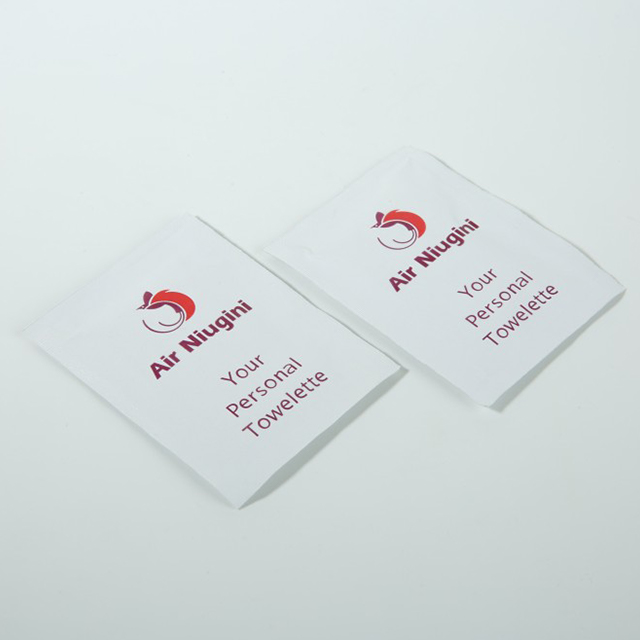
The physical material of the wipe connects directly to passenger experience and environmental goals. Selecting the right substrate balances durability, cost, liquid retention, and sustainability. A poor substrate choice results in tearing, linting on dark clothing, or rapid dry-out.
Synthetic fibers, such as PET (Polyethylene Terephthalate) and Polypropylene blends, offer high durability and lower costs. They resist tearing and hold chemical formulations well. In contrast, natural fibers like cotton and bamboo provide a premium soft feel and higher moisture retention. Bamboo, in particular, serves as a highly renewable, plastic-free alternative for environmentally conscious airlines looking to upgrade their premium cabin amenities.
Substrate Material | Durability | Moisture Retention | Cost Profile | Environmental Impact |
|---|---|---|---|---|
PET / Polypropylene | High | Moderate | Low | Contains microplastics, non-biodegradable |
Viscose / Rayon | Moderate | High | Medium | Semi-synthetic, biodegradable options available |
100% Cotton | High | Very High | High | Natural, biodegradable, premium feel |
Bamboo Fiber | Moderate to High | High | Medium to High | Highly renewable, biodegradable, eco-friendly |
There is a growing mandate for biodegradable materials in aviation procurement. Airlines face increasing pressure from regulatory bodies and passengers to reduce single-use plastics. Adopting eco-friendly substrates like bamboo or 100% viscose aligns with corporate sustainability targets and reduces the overall environmental footprint of inflight services.
Aircraft system protection requires clarifying the strict differences between "biodegradable" and "flushable." Biodegradable simply means the material will break down over time in a landfill. Flushable implies it will disintegrate rapidly in water. Flushable wipes must be heavily discouraged or strictly regulated in aircraft lavatories. Standard wipes do not break down fast enough and will cause catastrophic damage to delicate aircraft vacuum waste systems. A blocked vacuum system grounds an aircraft, causing severe operational disruptions and massive maintenance repair bills.
Different packaging formats impact logistics, storage, and usage. Evaluating these dimensions helps airlines optimize their supply chain, reduce waste, and streamline cabin service procedures for flight attendants.
The return on investment for Individually Wrapped Airline Wet Wipes is evident in single-use sachets designed for meal trays, boarding gate distribution, and premium class amenities. They prevent cross-contamination and ensure each passenger receives a fresh, fully saturated product. Bulk dispensing methods often lead to the top wipes drying out, resulting in wasted inventory and poor passenger experiences.
Individually wrapped wet wipes are classified as non-liquid items by the TSA. This exempts them from the 3-1-1 liquids limit. This classification ensures hassle-free boarding for passengers and seamless transit for deadheading crews, providing a significant logistics advantage when moving supplies through secure airport zones.
Barrier film technology is vital for product integrity. Foil-lined laminates are required over standard thin plastics to prevent moisture evaporation. Aircraft experience extreme high-altitude pressure changes and temperature fluctuations. Furthermore, these products often sit in uninsulated warehouses or on hot tarmacs for days. Foil barriers ensure the liquid formulation remains intact for the duration of the product's shelf life.
High-count flow-packs are used exclusively by crew for galley and lavatory maintenance. These multi-packs must feature robust snap-lid requirements to ensure moisture retention over multiple flights and shifts. A standard sticker closure will fail after a few uses in a dry cabin environment, rendering the remaining wipes useless.
When sourcing multi-packs for crew use, consider the following specifications:
Rigid plastic snap-lids rather than resealable adhesive labels.
Interleaved folding so the next wipe pulls up automatically.
Heavy-duty substrate to withstand aggressive scrubbing on galley surfaces.
Clear labeling indicating whether the product is for surface sanitization or personal use.
Deploying wet wipes globally involves significant logistical hurdles. Proactive mitigation strategies are necessary to ensure consistent supply, regulatory adherence, and uninterrupted cabin service across all international hubs.
Regulatory navigation requires reviewing Safety Data Sheets (SDS) for every formulation. Procurement must secure EPA or FDA registrations for any product making sanitizing or antibacterial claims. Furthermore, ensuring compliance with international import laws, such as REACH in Europe, is mandatory for chemical goods. Failing to provide proper documentation results in shipments being seized at customs, leading to immediate stockouts.
Evaluating a vendor's production capacity, lead times, and global distribution network is essential. Supply chain scalability ensures that all flights, regardless of origin, are adequately stocked. Airlines should partner with manufacturers capable of holding buffer stock and managing split shipments to various regional catering facilities.
Warehouse temperature fluctuations pose severe risks to product efficacy. Establish baseline expectations for shelf life, typically 12 to 24 months. Rotate stock effectively using First-In, First-Out (FIFO) principles to minimize waste. Catering facilities must be audited to ensure they are not storing these products next to heat sources or in direct sunlight, which accelerates the degradation of both the packaging and the chemical formulation.
Balancing budget with quality requires a comprehensive framework. Procurement decisions must consider the long-term impact on passenger satisfaction, brand reputation, and operational efficiency rather than just the lowest unit price.
Saving fractions of a cent on thinner substrates or cheaper barrier films leads directly to dried-out wipes and torn materials. This generates negative passenger feedback that quickly outweighs the initial cost savings. Perceived value must align with the airline's brand standards. A premium airline handing out a paper-thin, dry wipe damages its reputation instantly.
Custom branding, specific sizes, and bespoke formulations impact Minimum Order Quantities (MOQs). Airlines forecast volume across alliance networks to negotiate better tiered pricing. By consolidating orders for different cabin classes or subsidiary regional carriers under one master manufacturing agreement, procurement teams optimize their spend without sacrificing quality or customization.
Audit your current wipe inventory immediately to identify gaps in packaging durability, moisture retention, and aviation material compliance.
Request substrate and formulation samples from shortlisted suppliers to physically evaluate tear strength, scent profile, and skin feel.
Verify all vendor Safety Data Sheets (SDS) and confirm their formulations pass Boeing and Airbus interior cleaning specifications.
Initiate a targeted pilot run on a specific high-traffic route or premium cabin class to gather real-world feedback from both passengers and flight crew.
A: The TSA does not classify wet wipes as liquids. They are exempt from the 3-1-1 liquid rule for both passengers and flight crew in carry-on and checked bags, making them easy to transport through security checkpoints without restrictions.
A: The typical shelf life ranges from 12 to 24 months. Foil-lined barrier packaging plays a crucial role in preventing moisture evaporation under pressurized flight conditions and during long-term warehouse storage.
A: Yes, single-use sachets utilize flexographic and digital printing capabilities. This allows for full customization with brand colors, logos, and even QR codes across the available surface area to enhance brand visibility.
A: Minimizing allergens and scent-clashing is vital in enclosed, pressurized cabin environments with recirculated air. Fragrance-free options prevent respiratory discomfort and cater to passengers with scent sensitivities.
A: Sanitizing wipes contain regulated chemicals designed to kill germs on surfaces or skin. Refreshing wipes use cosmetic formulations focused on cleansing and hydrating the skin without antibacterial claims.
A: Standard sanitizing wipes can cause wear or stress cracking on cabin materials. It is necessary to source aviation-approved, non-corrosive formulations that protect delicate flight cabin interiors while allowing passengers to clean surfaces.
A: MOQs vary based on packaging material, size, and formulation complexity. While baseline expectations differ among suppliers, custom printing and bespoke formulations generally require higher initial volume commitments compared to generic stock.


