
English 
Landline:
+86-571-8233-3525
Telephone:
Telephone:
+86-150-6710-5089
+86-138-6743-1140
Address:
Building 41 workshop, No.17, Xueyuan road, Jiyang street, Zhuji city, Zhejiang Province, China


Views: 0 Author: Site Editor Publish Time: 2026-07-06 Origin: Site


The transition in luxury and high-volume hospitality from dry paper napkins to premium, single-use wet wipes represents a baseline expectation for guest hygiene and dining experience. Establishments including fine dining venues, boutique hotels, cafes, and catering services now require reliable bulk sourcing to maintain these standards. Procurement managers and restaurant owners face a fragmented market of domestic manufacturers, global commercial platforms, and specialized distributors. Balancing unit economics with substrate quality, skin-safe formulations, and reliable supply chains remains a complex operational challenge.
This guide provides a technical framework for evaluating wholesale suppliers. You will learn how to compare material specifications, assess formulation safety, and mitigate supply chain risks when purchasing bulk restaurant wet wipes. We outline actionable steps to secure high-quality inventory that aligns with operational demands and elevates the guest experience without disrupting your back-of-house workflow.
Supplier Categorization: Sourcing directly from domestic contract manufacturers (such as Diamond Wipes) offers faster lead times and easier quality control, while global wholesale platforms (like Tradewheel and Made-in-China) provide aggressive volume structures at higher Minimum Order Quantities (MOQs).
Formulation Matters: Distinguishing between sanitizing wipes (regulated) and Refreshing Restaurant Wet Wipes (cosmetic/comfort) is critical for compliance and guest experience.
Total Landed Cost: Unit metrics per wet wipe represent only one factor; procurement must account for shipping weight, import duties, shelf-life degradation, and custom packaging fees.
Sample Verification: Never commit to bulk OEM (Original Equipment Manufacturer) contracts without rigorous physical testing of substrate durability, moisture retention, and scent profile.
Establishing what makes a product premium involves evaluating thickness, moisture lock, and tear resistance. Standard commercial options often fail under heavy use, shredding when guests attempt to clean their hands after consuming messy items. High-quality alternatives maintain their structural integrity through aggressive friction. They provide a superior tactile feel that mimics cloth rather than cheap paper. Guests notice these details immediately upon opening the sachet. Upgrading your supply directly impacts brand perception, signaling to the diner that management cares about every touchpoint of the meal.
Tactile quality and presentation at the table matter immensely in luxury dining. Seafood and BBQ establishments rely heavily on finger foods, where grease and sauce inevitably end up on the hands and face. Diners expect an effective way to clean up without leaving the table to visit the restroom. Providing a high-quality wipe elevates the entire meal, turning a messy situation into a comfortable, refreshing moment. This utility expands easily to high-end cafes, hotel room service, and catering events where running water is not immediately accessible. Luxury lounges also benefit from offering individually wrapped hygiene products alongside premium cocktails and appetizers.
Individual packaging prevents cross-contamination effectively. Bulk dispensers often lead to multiple users touching the same container, spreading bacteria across the very surface meant to dispense hygiene products. Traditional hot towel services require rigorous laundering, handling protocols, and dedicated warming equipment that takes up valuable counter space. Single-use packets eliminate these hygiene risks entirely. They offer a sanitary, controlled solution for every guest, guaranteeing that the product has not been exposed to ambient kitchen contaminants. Compliance with local health department standards becomes much easier to manage when using sealed, single-use items.
Beyond the immediate functional benefits, the operational integration of premium wipes streamlines table turnover. Bussers and servers spend less time replacing soiled cloth napkins or wiping down tables smeared with heavy sauces. The disposable nature of the product means it goes straight into the waste stream, bypassing the laundry sorting process. This reduction in linen processing can offset the initial procurement investment. Furthermore, the physical footprint of a case of individually wrapped wipes is highly predictable, allowing for precise inventory forecasting and storage allocation in cramped restaurant basements or dry storage rooms.
When evaluating the shift from standard napkins to premium wipes, operators must consider the specific demographic they serve. High-end clientele expect amenities that match the price point of the menu. A flimsy, alcohol-heavy wipe that smells like a hospital waiting room detracts from a carefully curated wine list and artisan plating. Conversely, a thick, textured wipe with a subtle, natural fragrance enhances the sensory experience of the meal. The decision to upgrade is not merely a line item on a procurement spreadsheet; it is a strategic move to solidify customer loyalty and encourage positive word-of-mouth reviews regarding the establishment's attention to detail.
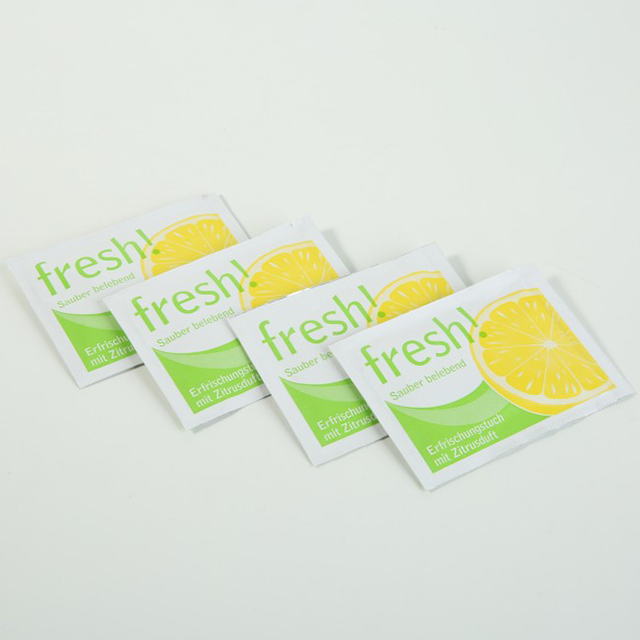
Local facilities specialize in personal care and hospitality products, operating within your specific region or country. These manufacturers offer lower minimum order quantities, making them accessible to independent restaurants or small hospitality groups. Shipping times are significantly faster because the product does not have to cross oceans or clear complex customs checkpoints. Regulatory compliance is generally stricter and easier to verify, as these facilities are subject to local health and safety inspections. The trade-off involves higher unit costs compared to overseas options, driven by local labor rates and domestic material sourcing.
Working with domestic manufacturers allows for rapid prototyping and easier communication. If you need to adjust the moisture level or tweak the scent profile, you can often receive revised samples within days rather than weeks. This agility is highly beneficial when launching a new restaurant concept or rebranding an existing venue. Furthermore, domestic suppliers often have established relationships with local freight carriers, ensuring that pallet deliveries are handled efficiently and arrive at your loading dock without unexpected delays or hidden terminal handling charges.
Large-scale international manufacturers collaborate with top retailers and handle private-label production for leading global brands. These massive facilities offer exceptional consistency across millions of units. Supply chain security is robust for multi-location restaurant chains that require identical products delivered to hundreds of franchises simultaneously. However, their minimum order quantities are significantly higher. You must commit to massive volumes, often filling entire shipping containers, to work directly with these tier-one producers.
The infrastructure of these global producers includes advanced automated machinery that cuts, folds, saturates, and seals the wipes at incredible speeds. This automation drives down the manufacturing cost per unit, but it requires long production runs to be economically viable. If your restaurant group operates on a national scale and has centralized warehousing capabilities, partnering with a high-volume producer makes logistical sense. You will need dedicated procurement staff to manage the long lead times, coordinate international freight, and handle the complex documentation required for large-scale imports.
Digital sourcing platforms connect buyers directly with overseas factories, bypassing traditional brokers. They offer highly competitive wholesale rates for standard configurations. Navigating these platforms requires managing import logistics, customs clearance, and international wire transfers. Quality assurance can be highly variable, as the barrier to entry for listing on these platforms is relatively low. You must vet suppliers thoroughly, requesting factory audit reports and extensive physical samples before placing large orders.
When utilizing these marketplaces, communication barriers and time zone differences can complicate the negotiation process. It is essential to draft highly specific purchase agreements that detail the exact GSM of the fabric, the precise chemical composition of the liquid, and the specific dimensions of the packaging. Vague specifications will result in substituted materials that may not meet your standards. Employing a third-party inspection service to check the goods before they are loaded onto the shipping vessel is a standard risk mitigation strategy when sourcing through these digital directories.
Middlemen and domestic hospitality supply companies stock ready-to-ship inventory in regional warehouses. They are ideal for immediate needs, smaller restaurant groups, and independent cafes requiring low shipping delays. If you run out of stock on a Friday, a specialized distributor can often deliver a replacement case by Monday morning. Customization options remain limited, as you are purchasing off-the-shelf products. Wholesale rates include a markup to cover the distributor's warehousing, sales staff, and localized delivery logistics.
These distributors provide a valuable buffer against supply chain disruptions. While you pay a premium for their services, you avoid the headache of managing international freight and tying up capital in massive inventory reserves. Many distributors also offer mixed-pallet deliveries, allowing you to combine your wipe order with other essential supplies like takeout containers, cleaning chemicals, and paper goods. This consolidation simplifies the receiving process at your restaurant and reduces the number of invoices your accounting department needs to process each month.
Evaluating the base material is critical for performance in a demanding restaurant environment. Spunlace non-woven fabric offers a standard, reliable feel that balances cost with functionality. It is created by entangling fibers using high-pressure water jets, resulting in a fabric that holds moisture well and resists tearing. Bamboo provides a sustainable, soft alternative that appeals to eco-conscious establishments. It has natural strength and a distinct, premium texture. Cotton delivers the highest luxury tactile experience, mimicking the feel of a traditional woven napkin, but it commands the highest procurement investment.
Grams per Square Meter (GSM) dictates the thickness and density of the wipe. A low GSM product will feel flimsy, dry out quickly, and tear when a guest attempts to scrub barbecue sauce off their hands. Higher GSM means better tear resistance, superior moisture retention, and a more substantial feel in the hand. When evaluating samples, physically stretch the wipe in both directions to test its tensile strength. A quality substrate should resist deformation and maintain its structural integrity even when subjected to aggressive pulling and twisting.
Different operational areas within a hospitality venue require specific packaging solutions to maximize efficiency and hygiene. Consider the following formats when building your procurement strategy:
Single-Pack Sachets: Individual foil-lined packets suit tableside presentation perfectly. They are essential for delivery bags, takeout orders, and room service trays. The sealed environment guarantees moisture retention until the exact moment of use.
Canisters: Multi-use plastic tubs work well for back-of-house hygiene, allowing prep cooks and dishwashers to quickly grab a wipe without fumbling with individual wrappers.
Flow Packs: Soft packs with resealable plastic lids serve kitchen staff and high-traffic service stations efficiently. They take up less space than rigid canisters and can be easily stored in server aprons or utility carts.
Analyzing the liquid solution ensures guest safety and comfort. Water purity forms the base of any quality product; reverse osmosis or deionized water prevents mineral buildup and bacterial contamination. Preservatives are necessary to prevent mold and yeast growth during extended storage in warm restaurant environments. Skin-conditioning agents like aloe vera, chamomile extract, and vitamin E add comfort, preventing the skin from drying out after use. You must distinguish between alcohol-based sanitizing products and water-based options.
Sanitizers face strict regulatory oversight and must contain specific concentrations of active ingredients to legally claim antibacterial properties. These are harsh on the skin and carry a strong, clinical odor. Cosmetic options focus purely on comfort, basic cleaning, and sensory enhancement. For tableside use, cosmetic formulations are vastly superior, as they do not strip the skin of natural oils or leave a sticky, chemical residue on the hands that could transfer to the food or glassware.
Fragrance heavily influences the dining experience and can either enhance or detract from the meal. Lemon Restaurant Wet Wipes neutralize strong odors effectively, cutting through the lingering smell of garlic, seafood, or smoked meats. They are ideal for crab shacks, rib joints, and casual dining venues where finger foods dominate the menu. The citrus profile provides a crisp, clean finish that guests associate with hygiene and freshness.
Conversely, fine dining establishments often prefer completely unscented options. Strong fragrances can interfere with the palate, disrupting the delicate tasting notes of a complex wine pairing or a subtle culinary creation. If a guest wipes their hands with a heavily perfumed product, that scent will dominate their olfactory senses for the remainder of the meal. Match the scent profile strictly to your specific culinary environment, ensuring it complements rather than competes with your menu.
Sustainability claims require careful assessment and verification. Flushability and biodegradability depend entirely on the specific fibers used in the substrate. Traditional wipes contain synthetic plastic fibers like polyester, which will never break down in a landfill and will cause catastrophic clogs in municipal plumbing systems. Plastic-free, compostable materials made from plant-based cellulose appeal to environmentally conscious consumers and align with modern corporate sustainability goals.
Sustainable materials like bamboo or 100% cotton increase the unit investment. You must weigh this trade-off against your brand values and customer expectations. If your restaurant heavily markets its farm-to-table ethos and commitment to zero-waste operations, serving a plastic-based wipe contradicts your core messaging. Request documentation from suppliers proving their compostability claims, looking for recognized certifications rather than accepting vague marketing terms like "earth-friendly" or "green."
Custom-printed wrappers offer excellent return on investment by transforming a basic hygiene product into a miniature billboard for your brand. Featuring restaurant logos, specific brand colors, and custom typography reinforces your identity right at the table. Adding QR codes to the wrapper creates an interactive touchpoint, allowing guests to scan the packet to view dessert menus, sign up for loyalty programs, or leave immediate feedback on their dining experience. This turns a sunk operational cost into a functional marketing asset.
Evaluating the actual packaging materials is just as essential as the graphic design. PET/PE (Polyethylene Terephthalate/Polyethylene) laminated films ensure maximum moisture retention. They protect the product against drying out over extended storage periods in hot commercial kitchens. Poor quality wrappers will suffer from micro-punctures or weak heat seals, allowing the liquid solution to evaporate. When the guest opens the packet, they are left with a dry, useless piece of fabric, which severely damages the perception of your establishment.
Analyzing wholesale variances helps manage procurement budgets effectively. Standard unscented options represent the baseline investment. Premium custom-branded, scented, or biodegradable options require a higher initial outlay. The value derived from enhanced brand perception, improved guest satisfaction, and potential marketing ROI often justifies the premium. Establish a clear budget before requesting supplier quotes, factoring in the anticipated usage rate per guest.
Consider the operational context when evaluating value. A high-end steakhouse might only use one premium wipe per guest at the end of the meal, making a higher unit investment easily absorbable. A high-volume crab house might see guests using three to five wipes per sitting, necessitating a more aggressive volume-based procurement strategy. Align your purchasing decisions with your specific service model to ensure you are not over-investing in features that do not yield a tangible return in your specific dining environment.
Custom formulations and bespoke printed wrappers drastically increase minimum order requirements. Manufacturers must set up specific printing plates, calibrate machinery for your exact dimensions, and mix custom liquid batches. You may need to order tens of thousands of units to make this setup process economically viable for the factory. Off-the-shelf wholesale purchases allow for much smaller orders, often as low as a single master carton, providing flexibility for venues with limited storage.
Calculate the physical footprint required for high-volume deliveries before signing a contract. A pallet of liquid-saturated wipes is heavy and takes up significant square footage. Storage space in commercial kitchens is often limited and highly valuable. If you commit to a massive MOQ to secure a lower unit rate, ensure you have the dry storage capacity to house the inventory safely without violating fire codes or blocking essential workflow pathways in the back of house.
Liquid-saturated products carry significant physical weight. This heavily impacts ocean or air freight calculations, often making the shipping costs nearly as high as the product cost itself when ordering internationally. Understanding shipping terms is mandatory to avoid catastrophic budget overruns. Free on Board (FOB) means you handle the freight logistics, insurance, and customs clearance once the goods are loaded onto the vessel at the port of origin. This requires significant logistical expertise.
Delivered Duty Paid (DDP) places the shipping, insurance, and customs burden entirely on the supplier. The goods are delivered directly to your restaurant's loading dock. While DDP quotes appear higher initially, they provide absolute cost certainty and eliminate the risk of unexpected terminal handling charges, customs inspection fees, or demurrage penalties at the port. For most restaurant operators without dedicated import departments, DDP is the safest and most predictable shipping term to negotiate.
Developing a strict testing protocol prevents costly mistakes and ensures consistency across shipments. Request manufacturer samples before signing any contracts or wiring deposits. Check the dry-out rates by leaving the sealed packets in a warm area of your kitchen for several weeks, then opening them to verify moisture levels. Verify the seal integrity by applying heavy pressure to the packet to see if the seams burst or leak liquid.
Test the formulation for potential skin irritation by having multiple staff members use the product repeatedly over a few days. Document all findings meticulously to compare different suppliers objectively. Do not rely solely on the manufacturer's specification sheets; physical verification in your actual operational environment is the only way to guarantee the product will perform as expected when handed to a paying guest.
The standard shelf life for these products ranges from twelve to twenty-four months, depending on the preservative system and the quality of the wrapper's barrier film. Proper storage extends product viability significantly. Implement strict First-In, First-Out (FIFO) inventory systems in your dry storage areas. Train your receiving staff to date-stamp master cartons upon arrival and rotate older stock to the front of the shelves. This prevents product degradation and financial loss from expired inventory.
Keep cases away from direct heat sources like ovens, dishwashers, or uninsulated exterior walls. Temperature-controlled environments maintain moisture levels effectively and prevent the chemical formulation from separating or degrading. If a case is left next to a commercial radiator, the heat will compromise the seals and evaporate the liquid, rendering the entire batch useless. Treat this inventory with the same rotational discipline as you would non-perishable food items.
Supplier Category | Typical Lead Time | MOQ Expectation | Customization Capability | Logistical Complexity |
|---|---|---|---|---|
Domestic Contract Manufacturer | 3 to 6 Weeks | Low to Medium | High | Low |
Global High-Volume Producer | 8 to 12 Weeks | Very High | High | High |
Commercial Marketplace | 6 to 10 Weeks | Medium to High | Medium | High |
Hospitality Distributor | 1 to 3 Days | Very Low | Low | Very Low |
Secure physical samples from at least three shortlisted suppliers to evaluate material thickness, tear resistance, and moisture retention firsthand in your actual dining environment.
Define your required GSM and scent preferences based strictly on your specific menu items, ensuring the product complements rather than competes with your culinary offerings.
Calculate your monthly volume requirements accurately to determine whether domestic sourcing or global bulk purchasing fits your physical storage capacity and cash flow constraints.
Request comprehensive quotes that include all freight, insurance, and import duties (preferably DDP terms) to understand the true landed cost before committing to a purchase order.
Implement a strict FIFO inventory system in your temperature-controlled storage areas to prevent stock from drying out or degrading before it reaches the dining room floor.
A: Costs vary based on material quality, customization, and origin. Bulk unbranded options represent the lowest tier. Premium, custom-branded, or biodegradable options require a higher investment due to specialized manufacturing, custom printing plates, and the use of sustainable fibers like bamboo or cotton.
A: Safety depends entirely on the chemical formulation. Natural essential oils generally offer better skin compatibility than harsh synthetic fragrances. Always check for hypoallergenic certifications and request physical samples to test for potential irritation among your staff before placing a bulk order.
A: Most commercial options maintain a shelf life of one to two years. Temperature-controlled storage is vital. Excessive heat degrades the packaging seals and causes the moisture solution to evaporate prematurely, leaving the fabric completely dry and unusable.
A: Request third-party audit reports and ISO certifications directly from the factory. Order physical product samples through secure commercial platforms. Test these samples rigorously for tear resistance, seal integrity, and moisture levels before committing to a binding contract.
A: Yes, OEM and white-label processes allow for full customization. You can add logos, brand colors, and interactive QR codes. Custom printing usually requires higher minimum order quantities and longer initial setup times for the factory to create the specific printing plates.
A: Refreshing options focus on comfort, scent, and basic cleaning for the dining experience without harsh chemicals. Antibacterial options contain active disinfecting ingredients. Regulatory agencies strictly monitor antibacterial claims, requiring specific compliance documentation and testing from the manufacturer.


