
English 
Landline:
+86-571-8233-3525
Telephone:
Telephone:
+86-150-6710-5089
+86-138-6743-1140
Address:
Building 41 workshop, No.17, Xueyuan road, Jiyang street, Zhuji city, Zhejiang Province, China


Views: 0 Author: Site Editor Publish Time: 2026-09-01 Origin: Site


Picture this familiar dining scene. You are diving into a mouth-watering plate of slow-smoked barbecue ribs. The meat is tender. The flavor is incredible. Within minutes, a thick layer of sticky sauce completely covers your hands and face. Reaching for a standard dry paper napkin usually ends in frustration. The thin paper immediately tears upon contact with the moisture. It leaves annoying glue-like residue stuck to your fingers while merely smearing the mess around.
This exact scenario highlights why your culinary business needs proper heavy-duty cleaning solutions. Relying on inadequate paper goods frustrates patrons. It actively detracts from the delicious food you serve. In this comprehensive guide, we explore the science behind sticky culinary messes. We will reveal which specific formulations effectively dissolve tough sauces to instantly elevate your guests' dining experience.
Barbecue sauce is uniquely stubborn: High concentrations of sugar and oil require a precise balance of moisture and gentle surfactants to break down effectively on the skin.
Citrus formulations cut heavy grease: Lemon-scented solutions utilize natural solvent properties to neutralize strong food odors and rapidly dissolve rendered animal fats.
Durability dictates success: Heavy-duty wipes offer a thicker resilient texture to scrub away baked-on sticky messes without tearing or leaving lint behind.
Safety across all ages: Skin-friendly options are absolutely essential for family-oriented BBQ joints. They ensure safe irritation-free use on children's sensitive facial skin.
Measurable operational ROI: Investing in proper hand hygiene solutions significantly boosts customer satisfaction, slashes linen replacement costs, and encourages lucrative repeat business.
To truly understand why standard napkins fail so miserably in a barbecue setting, we must first analyze the complex chemical composition of the mess itself. The difficulty lies in how specific ingredients interact with human skin and ambient room temperatures. It is a matter of surface tension and lipid barriers.
Most commercial and house-made barbecue sauces rely heavily on rich sweeteners like brown sugar, honey, and molasses. When these ingredients are heated during the smoking or grilling process, they caramelize beautifully. However, as a diner sets down a half-eaten wing, the ambient air cools the sauce remaining on their fingertips. This thermal drop causes the sugars to crystallize rapidly. It creates a highly adhesive glue-like substance. Dry paper napkins completely lack the necessary moisture to dissolve these crystallized sugar bonds.
Authentic barbecue is inherently rich in decadent animal fats. Whether you are serving sliced brisket, pulled pork, or chicken wings, the rendering fats mix directly with the applied sauce on the plate. This combination creates a lipid-based water-resistant barrier on the diner's skin. Attempting to wipe this away with a dry cloth only spreads the grease over a larger surface area. Effective removal demands a targeted cleansing agent capable of emulsifying the fats and breaking that lipid barrier.
Robust spices like smoked paprika, turmeric, chili powder, and occasionally artificial colorings are the backbone of a great sauce profile. Unfortunately, these ingredients contain natural and synthetic pigments that act as temporary dyes. If left on the hands or face for too long, they leave a lingering orange or red tint. Prompt removal using a properly moistened towel prevents these heavy pigments from setting into the pores.
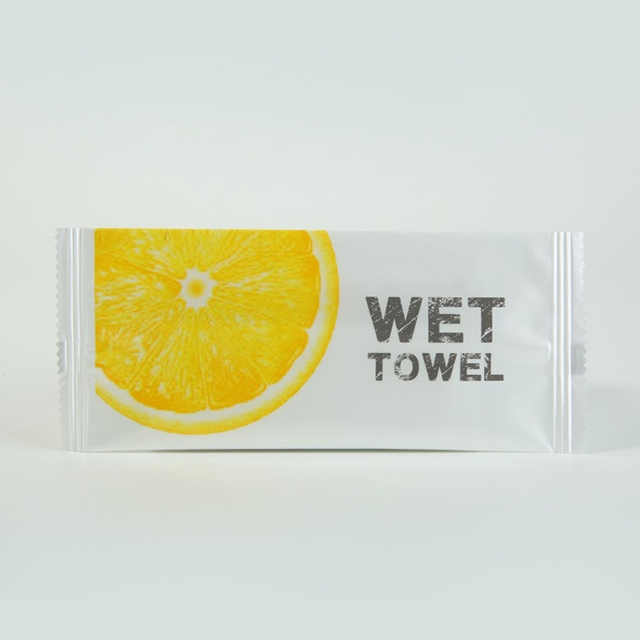
Recognizing the stubborn nature of these ingredients means restaurant managers must carefully evaluate technical specifications when procuring supplies. Not all hand wipes are created equal. Choosing the wrong type can be just as ineffective as using a dry napkin. Let us look at the core engineering behind a premium wipe.
Cleaning Tool | Grease Removal | Sugar Dissolving | Durability | Guest Experience |
|---|---|---|---|---|
Dry Paper Napkin | Poor - Smears fats | None - Lacks moisture | Low - Tears easily | Frustrating, messy |
Standard Fast Food Wipe | Moderate | Good | Medium - Too small | Acceptable, utilitarian |
Premium Heavy-Duty Wet Wipe | Excellent - Emulsifies | Excellent | High - Spunlace fabric | Luxurious, refreshing |
The efficacy of a wipe depends entirely on its saturation level and the quality of the liquid. A product that is too dry will fail to activate and dissolve the crystallized sugars. This causes uncomfortable friction against the patron's skin. Conversely, an overly saturated wipe will drip and leave a sloppy soapy residue. The ideal product maintains a precise moisture balance. Industry-leading manufacturers utilize RO Reverse Osmosis pure water as the base. This ensures a clean residue-free finish that allows the skin to air-dry within seconds.
In the textile industry material density is measured in Grams per Square Meter known as GSM. Barbecue joints absolutely require wipes with a higher GSM than standard fast-food hand packets. A low-GSM wipe will shred into pieces when subjected to the aggressive rubbing required to clean sticky knuckles. Premium spunlace non-woven fabrics typically in the 40 to 50 GSM range offer the high tensile strength necessary to maintain structural integrity during heavy use.
The liquid formula infused into the fabric is critical. The most effective options utilize mild cosmetic-grade surfactants. These specialized agents work by lowering the surface tension of water. They seamlessly mix with the oils and animal fats from the meat. This gentle emulsification process lifts the grease away from the skin without requiring harsh industrial chemicals that could trigger dermatological irritation.
Recent shifts across the hospitality sector show consumer expectations regarding restaurant hygiene have evolved dramatically. Current market analysis indicates that diners no longer view tabletop sanitization as a mere utility. The quality of provided cleaning amenities is heavily weighed as a direct indicator of the establishment's overall food safety standards.
There is a distinct industry trend moving away from communal bulk dispensers toward personalized single-use amenities. Diners increasingly seek dining experiences that prioritize their individual comfort and safety. Providing a premium branded wipe at the end of a meal allows casual BBQ joints to tap directly into this consumer demand. It successfully captures the perceived value and customer loyalty traditionally reserved for upscale fine dining establishments.
For establishments serving particularly rich cuts like pork belly or heavily marbled brisket, specialized formulations are highly recommended to combat the excess oil. This is exactly where high-quality lemon restaurant wet wipes truly shine as an industry standard. Citrus extracts contain limonene. This is a naturally occurring compound that acts as a highly effective solvent for fats.
Applied to greasy fingers, the citrus-based formulation actively cuts through stubborn animal fats much faster than plain water solutions. Furthermore, barbecue is synonymous with strong lingering aromas like hickory smoke and roasted garlic. Lemon formulations act as natural deodorizers. They neutralize pungent food odors rather than merely masking them. From a psychological standpoint, the scent of fresh lemon is universally linked to cleanliness. It sends a subconscious signal to your guests that your establishment prioritizes premium hygiene.
Adult patrons dismantling massive platters of ribs or cracking open smoked crab legs require a robust cleaning tool. Standard bite-sized packets simply cannot handle this volume of sticky debris. Heavy-duty hand cleaning restaurant wet wipes are specifically manufactured with larger dimensions. They allow the guest to thoroughly clean both hands, between their fingers, and their wrists using a single product.
In addition to their generous size, many premium heavy-duty wipes feature an embossed or textured surface. This often resembles a pearl or honeycomb pattern. This physical texture acts as a gentle abrasive. It provides the necessary friction to effortlessly scrub away dried baked-on sauce from the crevices of knuckles and under fingernails. Built with advanced spunlace technology, they hold up to rigorous pulling and rubbing without leaving annoying lint or paper pills behind.
Barbecue restaurants are incredibly popular destinations for large family gatherings. Where there are young children eating ribs, there will inevitably be sauce smeared across cheeks, chins, and noses. This presents a unique challenge. The skin on the face is significantly more delicate than the skin on the hands.
Using a wipe formulated with harsh degreasers or high alcohol content on a child's face can lead to rapid moisture loss, redness, and stinging. Consequently, providing skin friendly restaurant wet wipes is a strategic operational move. These specialized products utilize water-based 100% alcohol-free formulas to ensure they are completely safe for facial use. To further elevate guest comfort, they are enriched with soothing additives like Aloe Vera extract and Vitamin E. This helps calm the skin after exposure to salty and spicy sauces.
Beyond selecting the right formula, restaurant operators must also decide on the logistical presentation of their cleaning supplies. The choice between individual packets and bulk dispensing systems directly impacts both your operating budget and overall brand perception.
Handing a guest a sealed hermetic packet feels like a deliberate hygienic touch of service. It guarantees zero risk of cross-contamination between guests while perfectly preserving the wipe's moisture until the exact moment it is needed. They are incredibly easy to drop into delivery bags or takeout boxes. This ensures off-premise diners receive the same premium experience. While they carry a slightly higher cost per unit, the elevated presentation is often worth the investment.
Bulk rolls pulled from communal buckets are undeniably cost-effective. This makes them a popular choice for high-volume casual outdoor setups or self-serve stations. Guests can quickly grab exactly as many as they need. However, they carry a significant drying risk. If a careless patron leaves the dispenser lid open, the top layers will dry out and become entirely useless. Pulling from a communal tub often feels more institutional and less premium.
Ultimately, while bulk dispensers serve a utilitarian purpose, individually wrapped wipes remain the gold standard for full-service dining and takeout operations. They offer a controlled luxurious touchpoint at the conclusion of a messy meal.
Purchasing high-quality cleaning supplies is frequently misclassified by operators as a sunk operational cost. In reality, it is a strategic investment that yields a highly measurable return on investment across several facets of the business.
For barbecue establishments that utilize cloth napkins to maintain an upscale atmosphere, sauce stains present a massive financial liability. Barbecue sauce acts as a powerful dye on cotton fibers. By proactively providing highly effective wet wipes immediately after the main course, guests will use the wipe to remove the heavy pigments and grease from their skin rather than wiping it deep into your expensive linens. This simple intervention drastically reduces the volume of permanently ruined napkins. It saves thousands of dollars annually in replacement and aggressive chemical laundering costs.
The final moments of a meal disproportionately impact a customer's overall memory of the restaurant. A patron who leaves your establishment with clean hands and fresh-smelling skin is far more likely to return and leave glowing online reviews. Conversely, a guest who has to drive home with sticky fingers because your paper napkins failed will likely choose a competitor next time.
Securing a reliable supply chain for your amenities is crucial to maintaining smooth uninterrupted restaurant operations. Sourcing these products means operators should look beyond standard broadline food service distributors. Consider partnering directly with specialized manufacturers.
A quality supplier offers flexible bulk pricing tiers that protect your profit margins alongside reliable shipping schedules to prevent disastrous stockouts during busy summer holiday weekends. Look for manufacturers that offer private label branding capabilities. Customizing the packaging with your restaurant's logo turns a functional cleanup tool into a powerful piece of micro-marketing. To explore a comprehensive catalog of customizable solutions tailored specifically for the hospitality industry, operators can source premium restaurant wet wipes directly from experts who understand the unique durability demands of heavy-duty food service. Visit ZJWipes to find the exact formulation and packaging style that fits your brand.
Tackling stubborn caramelized barbecue sauce requires far more than a flimsy dry napkin. It demands the right balance of RO pure water, a durable spunlace texture, and gentle yet effective cleansing agents. Integrating quality wipes into your service model elevates the modern dining experience significantly.
They keep your guests comfortable and refreshed. They actively protect your expensive linen inventory and reduce excessive paper waste. Evaluate your current cleanup offerings today. Make the strategic switch to premium wet wipes to instantly boost customer satisfaction and operational efficiency.
While primarily formulated for cleaning skin, the moisture and mild surfactants found in premium wipes can serve as an excellent emergency first-aid treatment for clothing. If a guest drops sauce on their shirt, gently blotting the area with a wet wipe can help lift the surface oils and sugars before they set permanently into the fabric fibers. Never aggressively rub the stain. However, they do not contain the heavy-duty enzymes required to replace proper laundry stain removers.
The safety of lemon-scented wipes on facial skin depends entirely on the specific formulation used by the manufacturer. High-quality wipes use heavily diluted cosmetic-grade citrus extracts that are generally safe. Because the skin on the face is thinner and more prone to irritation, establishments catering heavily to young children should stock specialized hypoallergenic fragrance-free options to prevent any risk of mild contact dermatitis near the eyes.
When manufactured correctly and stored under optimal conditions, high-quality individually wrapped wipes typically maintain a shelf life of 12 to 24 months. The longevity is primarily determined by the barrier properties of the packaging material. Foil-lined wrappers provide a superior moisture barrier compared to thin plastics. To maximize shelf life, store bulk inventory in a climate-controlled dry environment strictly away from direct sunlight and extreme heat sources.
Absolutely. Custom branding is a standard service offered by reputable B2B hospitality suppliers. Printing your restaurant's logo, brand colors, and typography on the individual wrappers is an incredibly cost-effective marketing strategy. It reinforces brand identity at the exact moment the guest feels cared for. Keep in mind that custom printing generally requires meeting a Minimum Order Quantity and involves a slightly longer lead time for the initial production run.
Generally no. Unless the packaging explicitly features certified flushable labeling, commercial wet wipes must be disposed of in standard waste receptacles. Most durable wipes designed for heavy-duty restaurant use are manufactured from synthetic blends or spunlace non-woven fabrics that do not rapidly disintegrate in water. Flushing these items can cause severe blockages in a restaurant's internal plumbing and contribute to massive clogs in municipal sewer systems.
Yes. Dry napkins lack the moisture needed to dissolve crystallized sugars and emulsify rendered animal fats. They tend to smear the mess across the skin and tear easily under friction. Premium wet wipes utilize RO pure water and gentle surfactants to break down the lipid barriers of BBQ sauce, offering a much faster and cleaner experience.
Restaurant operators should avoid wipes containing high concentrations of alcohol, harsh industrial degreasers, or parabens. High alcohol content rapidly strips moisture from the skin, causing dryness and stinging, especially on faces or chins irritated by spicy sauces. Always opt for 100% alcohol-free formulas enriched with skin-soothing agents like Aloe Vera.


